
ADV @ UNDERCONSIDERATION Peek here for details

BROWSE
Client
–
Quantity Produced
50
Production Cost
–
Production Time
2 weeks
Dimensions (Width × Height × Depth)
6 in × 8 in × 1 in
Page Count
26
Paper Stock
Uncoated Ultra Digital Cover, 100lb
Number of Colors
CMYK
Varnishes
–
Binding
–
Typography
Engravers
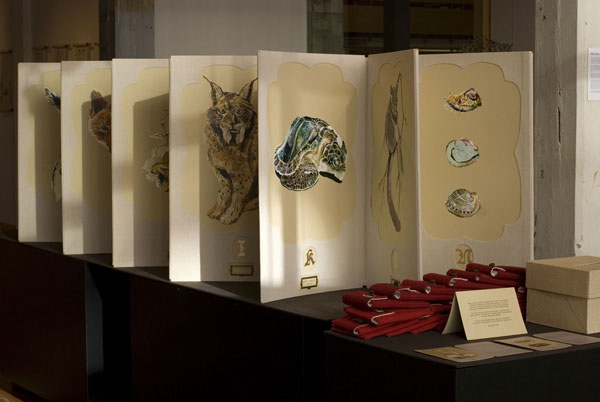
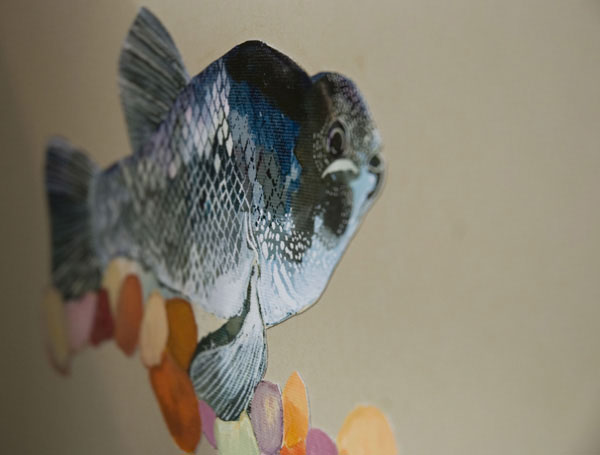
The Red List: an Alphabet Book of Endangered Species is an ambitious project by Amber Jensen who completed the master book (measuring 32 in by 48 feet) after a year of work. Consisting of layered ink drawing on canvas that were then mounted on Rives BFK paper and archival boards, these were then hinged with muslin fabric and hand painted with gold to match the gold foil stamping. The reason behind the book?
Since we rely on the natural world for our survival its study and our awareness of it has always been compulsory. From very early on humankind would classify plants into ones that were edible, poisonous, or of medicinal value, and to recognize animals as potentially dangerous or valuable. Throughout time, the reasons for studying our natural habitats have changed little, and, largely due to our influence, we are faced with an extinction rate higher than any other time in our history. The need for education and action on the conservation of this planet is vitally important to our future.
The Red List: an Alphabet Book of Endangered Species is a piece that is the result of my amateur studies as a natural historian. Beginning my research I was confounded by the immensity of species that were in threat of extinction. With the alphabet book in mind, I chose my list of just 26 species and made an effort to choose from all biomes a varied list of distinctive plant and animal types. From A to Z I wanted this book to be read as a cross section of the entire list of endangered species, and to show the biodiversity needed to build healthy ecosystems.
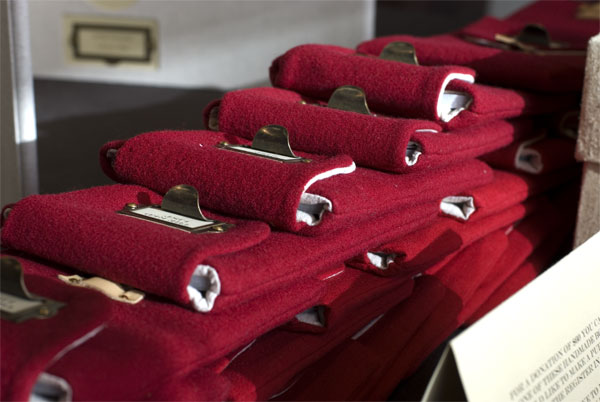
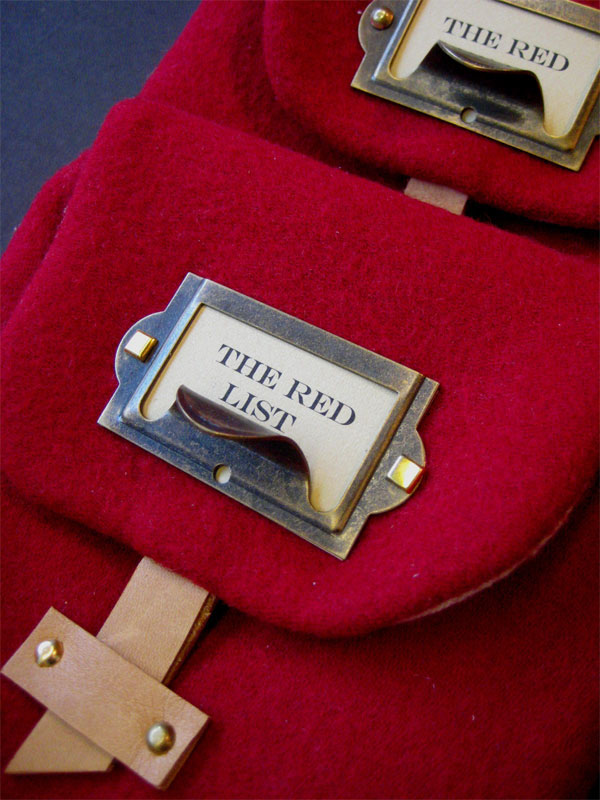
Having completed the book, Amber set out to create a set of lose cards that would also provide information on each species. With the proceeds going to the International Union for Conservation of Nature (IUCN) Red List, these cards are digitally printed and bound in a hand made red envelope with intricate details. It is always a challenge to transfer a unique hand made piece into a more accessible format, and Amber did a beautiful job in selecting materials and elements that complement each other very nicely.

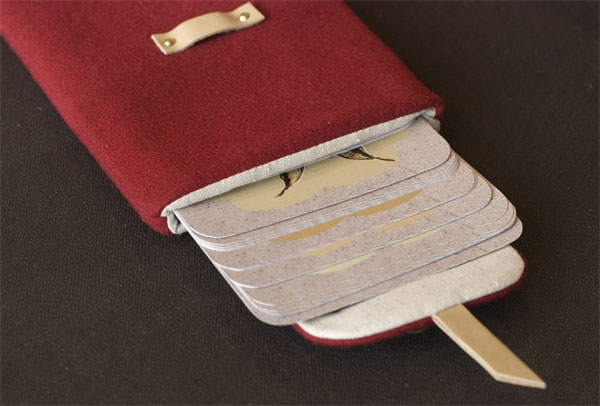
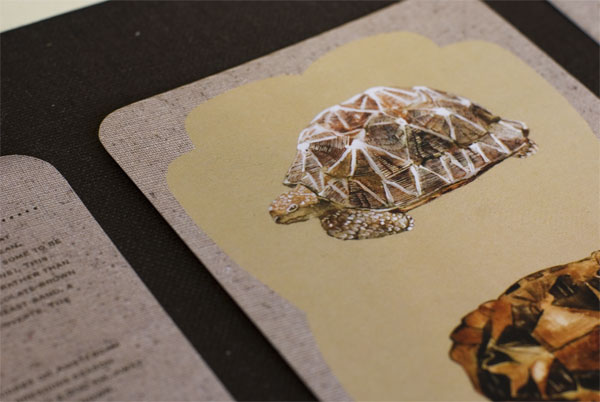
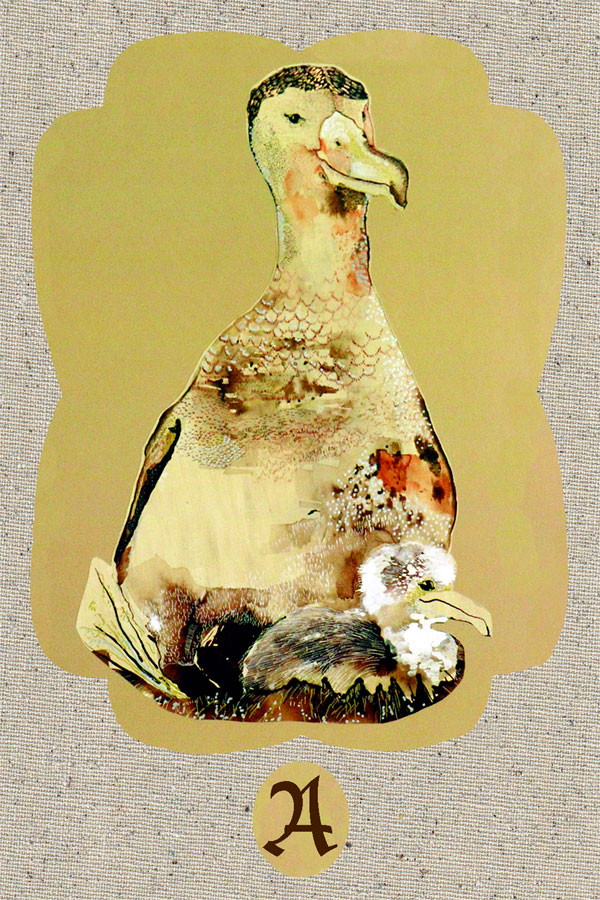
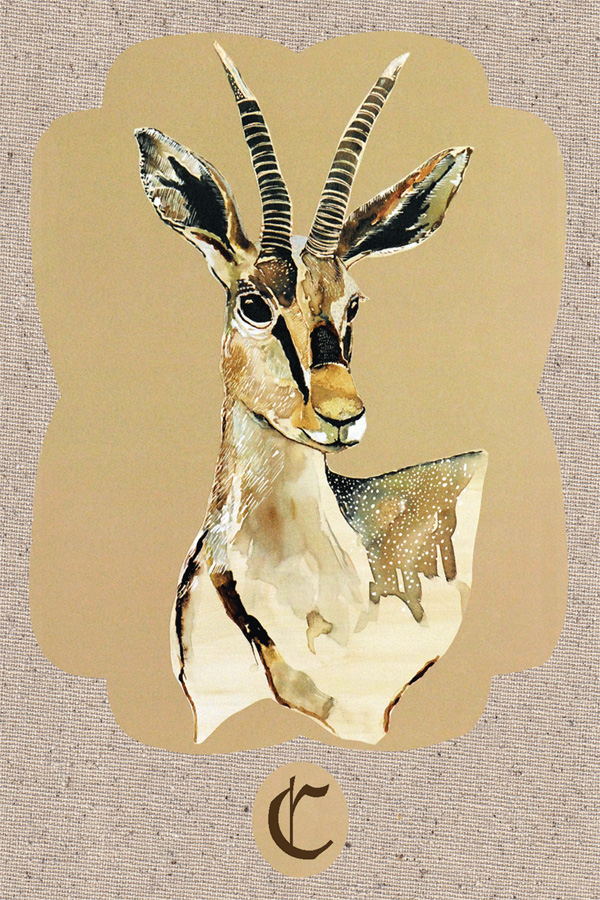
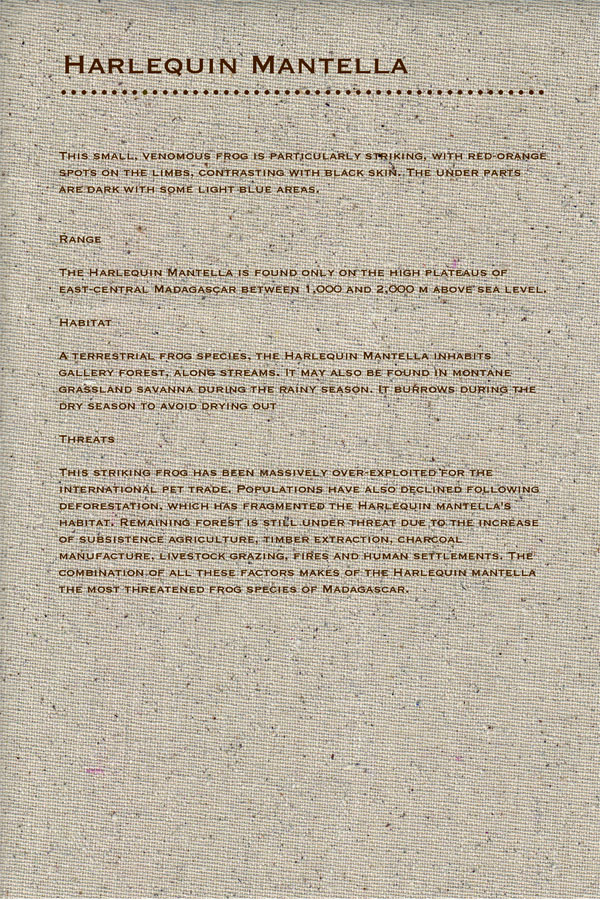
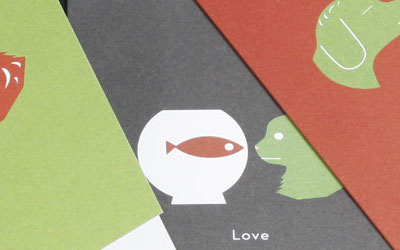
The Red List: an Alphabet Book of Endangered Species

Production Method
Design
Amber Jensen
Printing
–
This post was published in the original layout of FPO so all images are smaller. Project descriptions as well as production lessons are quoted in the main content area.
Post Author
Bryony

Bryony Gomez-Palacio
Editor of FPO and co-founder of UnderConsideration LLC.
More: Online / On Twitter

Date Published
December 16, 2009
Filed Under
Booklet
Tagged with
CMYK
DIY
hp digital indigo
unbound
uncoated
wool envelope


About
FPO (For Print Only), is a division of UnderConsideration, celebrating the reality that print is not dead by showcasing the most compelling printed projects.
FPO uses Fonts.com to render Siseriff and Avenir Next.
FPO is run with Six Apart’s MovableType
All comments, ideas and thoughts on FPO are property of their authors; reproduction without the author’s or FPO’s permission is strictly prohibited
Twitter @ucllc
Sign-up for Mailing List
Mailing list managed by MailChimp
Thanks to our advertisers
About UnderConsideration
UnderConsideration is a graphic design firm generating its own projects, initiatives, and content while taking on limited client work. Run by Bryony Gomez-Palacio and Armin Vit in Bloomington, IN. More…
blogs we publish
Brand New / Displaying opinions and focusing solely on corporate and brand identity work.
Art of the Menu / Cataloguing the underrated creativity of menus from around the world.
Quipsologies / Chronicling the most curious, creative, and notable projects, stories, and events of the graphic design industry on a daily basis.
products we sell
Flaunt: Designing effective, compelling and memorable portfolios of creative work.
Brand New Conference videos / Individual, downloadable videos of every presentation since 2010.
Prints / A variety of posters, the majority from our AIforGA series.
Other / Various one-off products.
events we organize
Brand New Conference / A two-day event on corporate and brand identity with some of today's most active and influential practitioners from around the world.
Brand Nieuwe Conference / Ditto but in Amsterdam.
Austin Initiative for Graphic Awesomeness / A speaker series in Austin, TX, featuring some of the graphic design industry's most awesome people.
also
Favorite Things we've Made / In our capacity as graphic designers.
Projects we've Concluded / Long- and short-lived efforts.
UCllc News / Updates on what's going at the corporate level of UnderConsideration.

Related entries
Modern Era Booklet
Passover Haggadah
Neenah Paper CLASSIC® Rebrand
Legion Paper Artist Pads
Procter & Gamble Singapore Management Guide